
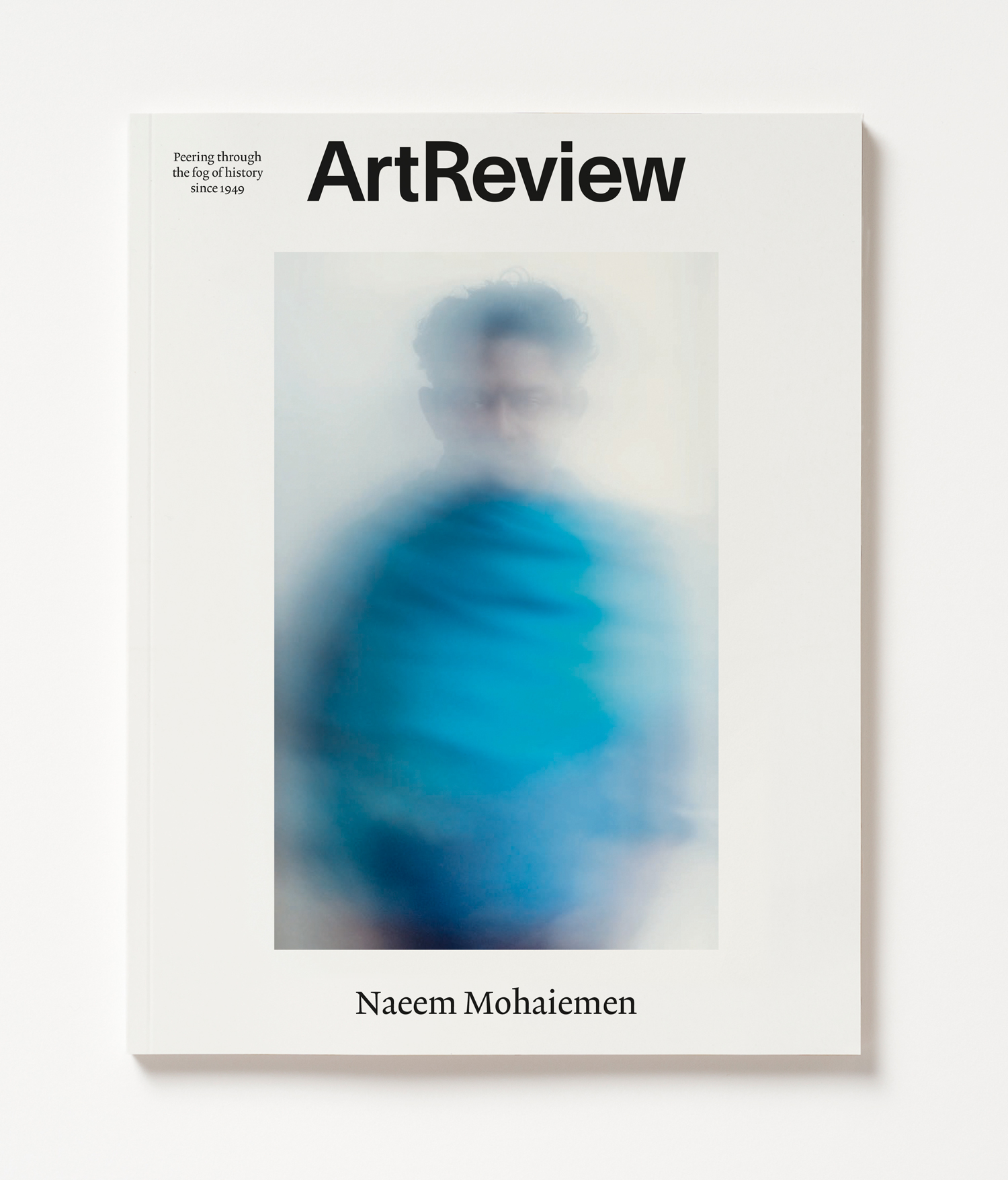
Susan Finlay has reviewed Loren Ipsum in the September 20025 issue of ArtReview, p. 108:
In publishing, “lorem ipsum” refers to Latin dummy text traditionally used by a designer as a placeholder, inserted prior to setting the author’s actual words. For Anglo-French cultural critic Andrew Gallic, it’s (almost) the name of his debut novel’s British-born, Paris-based protagonist: the titular Loren Ipsum, a pretty, middle-class Observer journalist with ‘white teeth and a raspberry tongue’ researching a reclusive writer, Adam Wandle — although we don’t discover either that this is why she has come to France, or indeed Wandle’s name, until page 90. What we do know, however, is that members of the international literati are being murdered by anti-bohemian terrorists with a penchant for slogans that, it later transpires, have been culled from Wandle’s back catalogue.
Since Wandle, and Loren herself, exist, primarily as a conceptual pretext, the delayed reveal matters little. In keeping with the metafiction Gallix has previously championed, such as works by Tom McCarthy and Lars Iyer, Loren Ipsum‘s focus is on how stories are constructed — through multiple viewpoints, direct addresses to the reader or ‘characters’ who acknowledge their fictional status — rather than on the story itself.
Consequently, the novel’s many flamboyant cameos and stand-ins appear determined to blow up the fourth wall. For anyone familiar with Gallix’s oeuvre and social media presence, it’s soon apparent that much of Wandle’s biography overlaps with his own (although for those who aren’t, it isn’t); Loren bears a a striking resemblance to Gallix’s real-life partner and publisher Sam Mills, and Mills also features as a separate ‘character’ (though there’s seemingly little distance between her on- and off-the-page personas), as does her crime-writer nom de plume, Lily Samson.
It’s absurdly nepotistic, but absurdity and nepotism are the point. In giving equal weight to his own professional associations as he does to dadaist poet Arthur Cravan, academic Toby Litt, musician Richard Hell and actors Robert De Niro and Al Pacino, among others, Gallix draws attention to the conflict between the author’s desire to create meaning and the universe’s apparent lack of it, via a world of endless dinner parties and tasteful reprints. This, plus allusions to the counterculture ‘canon’ (think Tel Quel to The Ramones) and avant-garde art, makes Loren Ipsum a trippy, dazzling experience, reminding one of the excessive possibilities that reading, as well as writing, offers.


 ANDREW GALLIX